Skip to content

Bag

Your bag is empty

Article: The Rise of Suit Alternatives: Modern Tailoring Beyond Formality

The Rise of Suit Alternatives: Modern Tailoring Beyond Formality

For decades, the suit represented a fixed uniform — a symbol of structure, hierarchy, and professional identity. Built on heavy canvassing, rigid construction, and formal fabrics, traditional tailoring prioritised appearance and durability over adaptability.

Today, however, tailoring is undergoing a quiet transformation. The modern wardrobe no longer demands strict formality; instead, it requires garments capable of moving fluidly between environments. Suit alternatives have emerged not as a rejection of tailoring, but as its evolution — preserving clarity of silhouette while introducing flexibility and comfort.

From Formal Structure to Adaptive Design

Classic suits were designed for specific contexts: business, ceremony, or social formality. High armholes, structured shoulders, and internal canvassing created sharp silhouettes, but often restricted natural movement.

Contemporary tailoring reinterprets these principles. Unstructured blazers reduce padding and internal layers, allowing the fabric itself to define the garment’s shape. Modular separates — trousers, jackets, and knit layers designed to function independently — replace rigid matching sets, offering versatility without sacrificing cohesion.

This shift reflects changing lifestyles, where garments must transition seamlessly from professional settings to informal environments.

Fabric Innovation and Functional Performance

Material development has played a decisive role in the rise of suit alternatives.

Traditional worsted wool remains foundational for its drape and durability, but modern compositions introduce technical fibres that enhance stretch recovery, breathability, and crease resistance. Merino blends regulate temperature across seasons, linen adds airflow and texture, while precision weaving techniques create lighter fabrics capable of maintaining structure.

Rather than focusing solely on aesthetics, contemporary tailoring increasingly considers performance characteristics — resilience, mobility, and ease of maintenance — ensuring garments remain practical throughout extended wear.

The Emergence of the Tailored-Relaxed Silhouette

One of the defining visual changes is the movement toward tailored-relaxed proportions.

Where earlier tailoring emphasised narrow silhouettes and rigid lines, modern cuts introduce subtle ease through the torso and leg without losing precision. Slightly wider lapels, softer shoulder construction, and higher-rise trousers create balanced proportions that feel composed rather than restrictive.

These adjustments allow tailoring to remain relevant within evolving dress codes, where elegance is expressed through proportion rather than strict formality.

Intentional Wardrobes and Minimal Design

Alongside technical evolution, aesthetic preferences have shifted toward restraint.

Minimal branding, neutral colour palettes, and refined silhouettes allow garments to integrate naturally into long-term wardrobes. Instead of seasonal novelty, modern tailoring emphasises continuity — pieces designed to function consistently across years rather than months.

This approach reflects a broader movement toward intentional dressing: fewer garments selected with greater precision.

The 19:29 VAULT Perspective

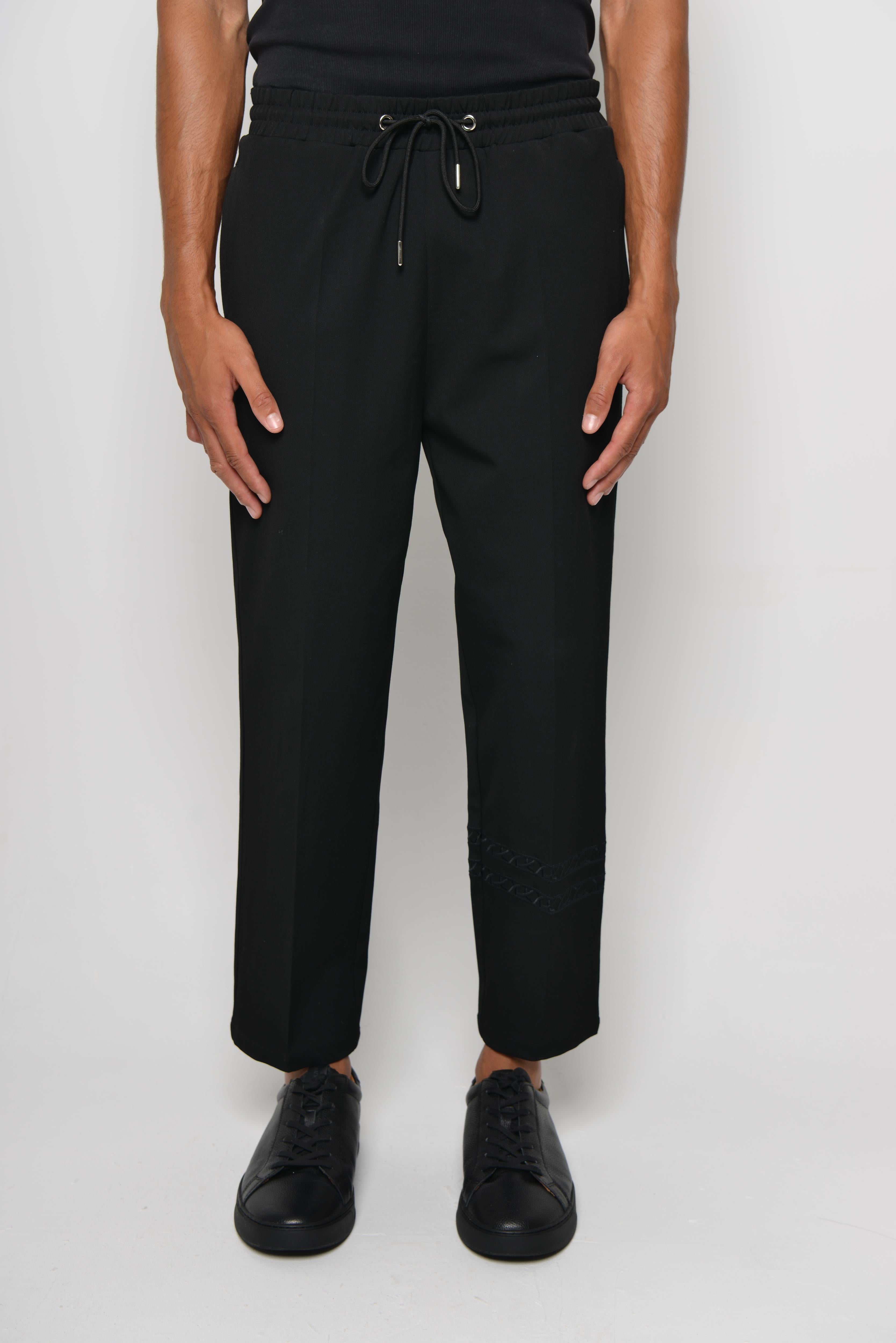
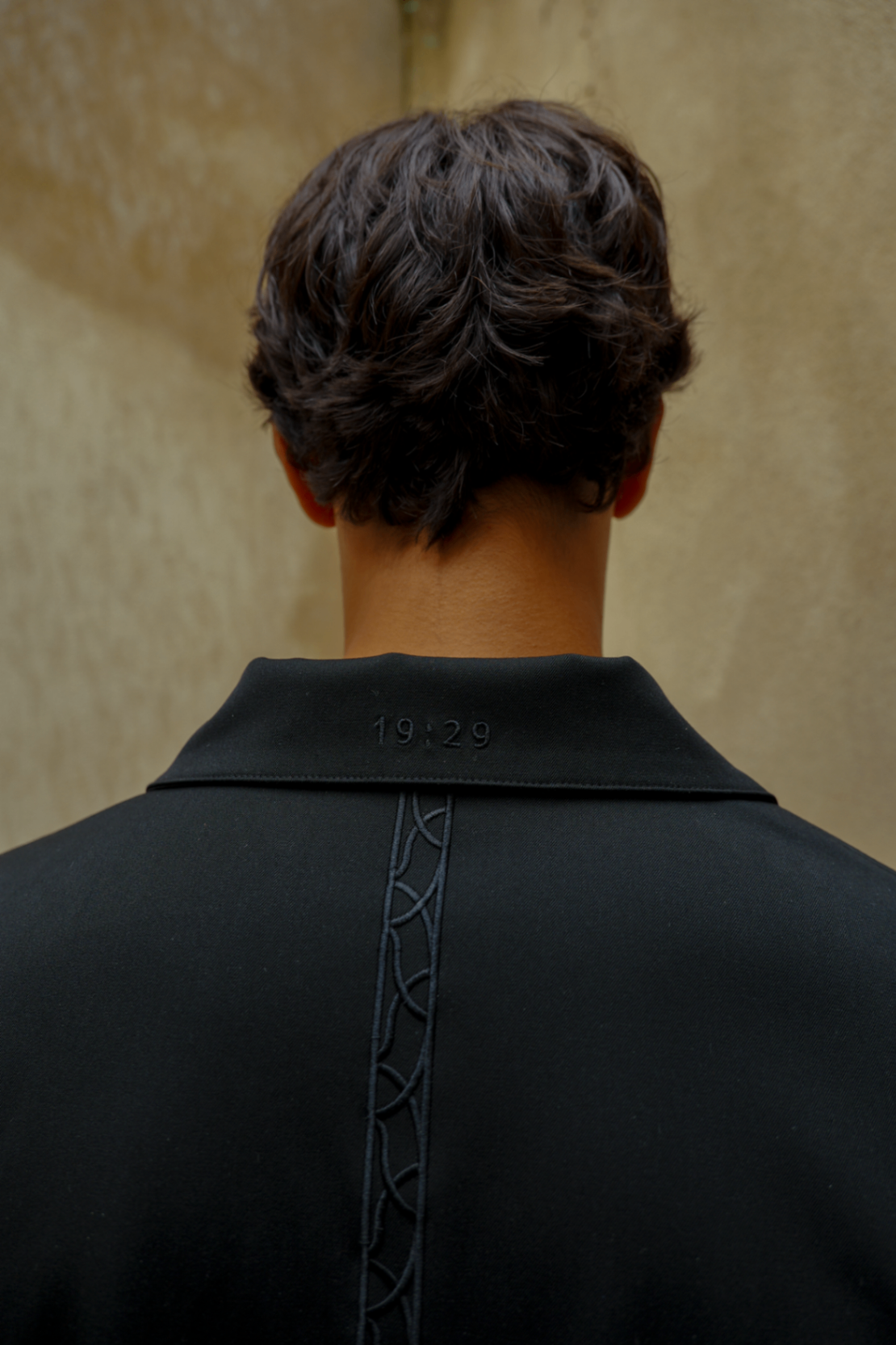
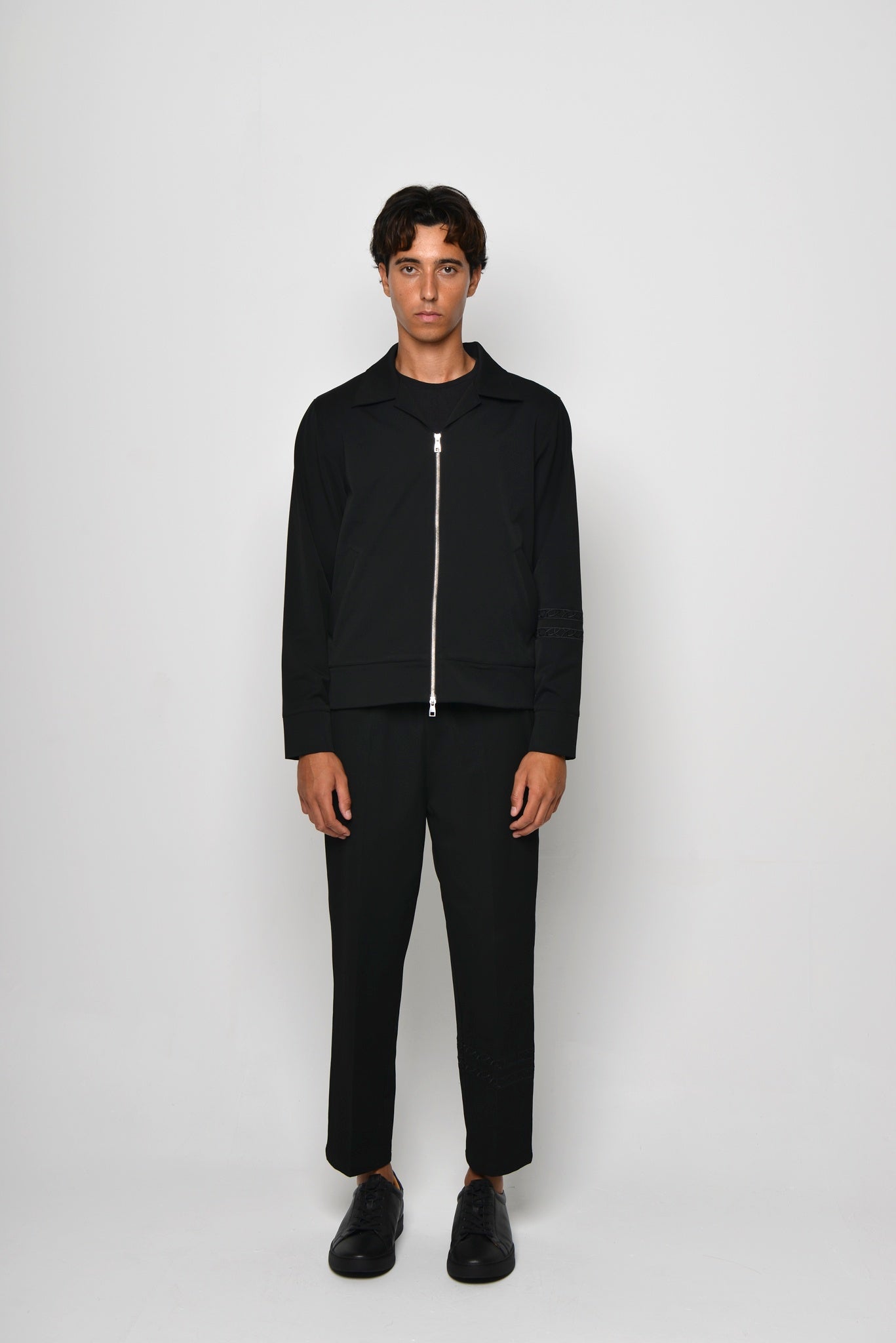
At 19:29 VAULT, suit alternatives are approached as structural foundations rather than replacements for tailoring traditions.

Design begins with proportion — calibrated silhouettes intended to balance presence with subtlety. Construction prioritises breathable fabrics and resilient blends that maintain shape while supporting movement throughout the day.

Each release forms part of a modular system, where jackets and trousers operate as interchangeable components within a cohesive wardrobe. The aim is clarity rather than excess: garments designed to integrate seamlessly across contexts while preserving architectural precision.

Tailoring for Contemporary Life

The rise of suit alternatives represents a broader redefinition of modern elegance. Rather than abandoning tailoring, designers are refining its purpose — creating garments capable of supporting dynamic routines while maintaining composure.


In this evolution, tailoring becomes less about uniformity and more about adaptability, merging heritage craftsmanship with contemporary precision.